
Calm ADU Reading Nook Ideas for Small Spaces
Discover the best ADU reading nook ideas that enhance comfort in small spaces. Learn how to design and place them effectively for maximum relaxation and functionality.
Fenton Jeffer
1/5/202610 min read
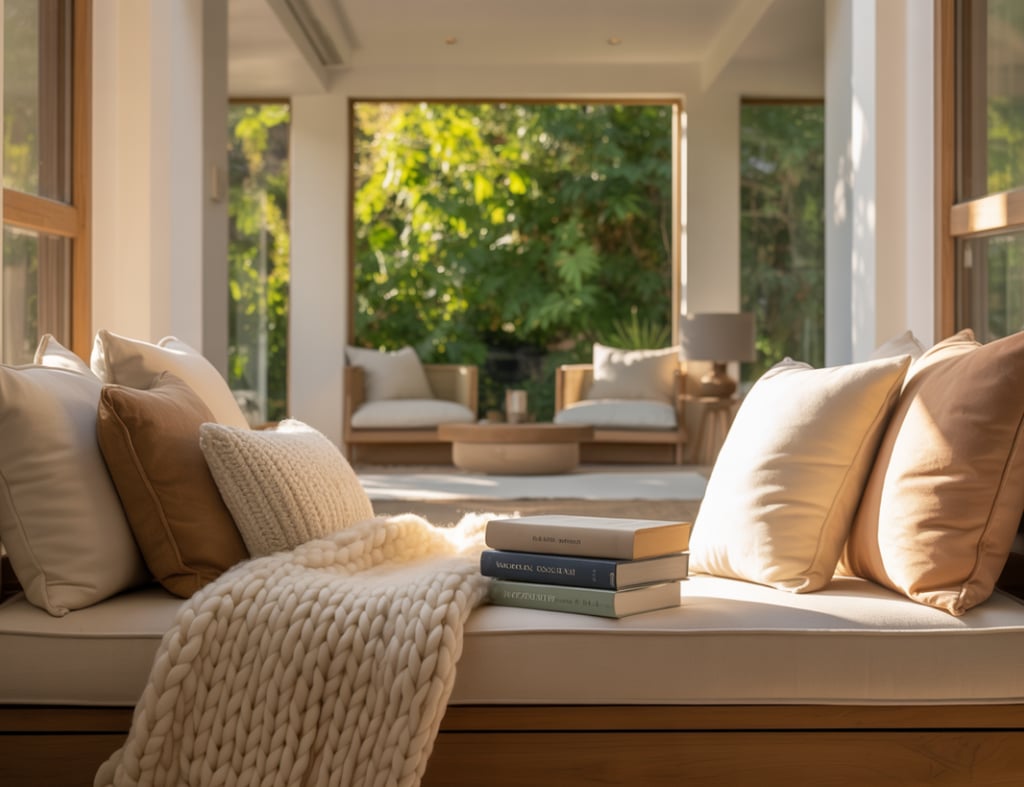
ADU Reading Nook Ideas for Calm and Comfortable Living
Small spaces don’t have to feel rushed or crowded. In fact, some of the most calming places to read are found in the smallest homes. An accessory dwelling unit otherwise known as ADU with a reading nook creates that pause. It gives you a place to sit, slow down, and recharge without needing extra square footage.
In this blog, we’ll explore how to design an ADU with a reading nook that feels comfortable, functional, and intentional. You’ll learn what an ADU reading nook is, who it works best for, the benefits it adds to small living spaces, and where it fits most naturally inside an ADU.
What Is an ADU With a Reading Nook
At its simplest, an ADU with a reading nook is a small living space that includes a spot designed just for reading and quiet time.
Not a spare chair. Not a couch that happens to face a window. An actual place meant for slowing down.
That nook might sit under a window, tuck into a corner, or live in a loft or mezzanine. In most ADUs, it blends into the main space rather than standing apart from it. A built-in bench, a window seat, or a single comfortable chair usually does the job.
What matters isn’t the size of the nook. It’s the intention behind it. In a small ADU, every inch needs to earn its place. A reading nook does that by adding comfort and personality without demanding extra square footage.

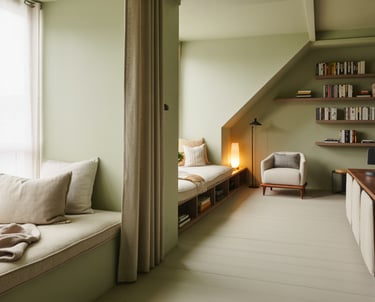
Who an ADU Reading Nook Suits Best
A reading nook works best for people who enjoy quiet moments at home. The kind of people who like slow mornings, calm evenings, and spaces that don’t ask for constant attention.
It’s also a smart addition for ADU owners who host guests or rent out their space. A reading nook makes an ADU feel considered, not just furnished. Guests notice it right away. Renters remember it.
You don’t need to be a design expert to plan one either. Reading nooks are forgiving. They’re flexible in placement, simple to style, and easy to adapt over time. Whether the ADU is for yourself, family, or rental income, a reading nook adds warmth without complicating the layout.

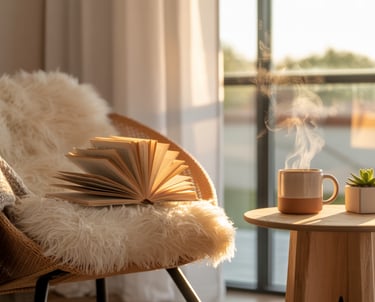
Benefits of Adding a Reading Nook to an ADU
It gives your mind somewhere to rest: A reading nook creates a clear pause in the day. Even short reading breaks feel more intentional when they happen in the same spot.
It uses space that would otherwise be ignored: Window corners, low ceilings, and empty walls suddenly have a purpose.
It adds comfort without clutter: Instead of spreading furniture throughout the ADU, comfort is concentrated in one place.
It makes the space feel lived in: A reading nook adds personality. The ADU feels less generic and more like a home.
It appeals to guests and renters: Reading nooks photograph well and leave a lasting impression, especially in small spaces.
It supports focus and mental reset: Having a consistent place for quiet time helps reduce distractions and mental fatigue.

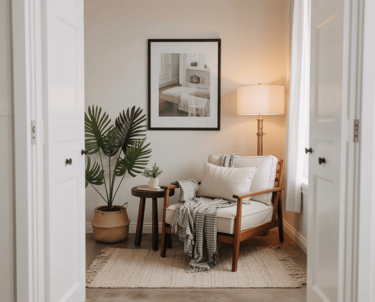
Popular ADU Layouts With Reading Nooks
The beauty of a reading nook in an ADU is how easily it adapts to different layouts. Whether the space is open or divided, a well-placed nook can feel like a natural part of the design rather than an afterthought.
Studio ADU layouts
In a studio ADU, everything shares the same space, so the reading nook needs to feel light. Window seats work especially well here. They bring in natural light and define the nook without closing anything off.
Built-in shelves or low partitions can help separate the reading area from the sleeping zone, but only slightly.
Too much division makes a studio feel smaller than it is.
One-bedroom ADU layouts
One-bedroom ADUs allow more breathing room. The reading nook might live in the living area, near the bedroom, or along a quiet wall that doesn’t see much traffic.
A single chair and a floor lamp are often enough. The goal isn’t to create another room, just a spot that feels calm and slightly removed from the rest of the space.
Backyard cottage layouts
Backyard ADUs often feel more like small homes. That opens up more options. Reading nooks can fit into hallways, stair landings, or sunlit corners that overlook the garden.
When placed near greenery or outdoor views, the nook naturally becomes a place people linger. It connects indoor comfort with the calm outside, which makes longer reading sessions feel effortless.

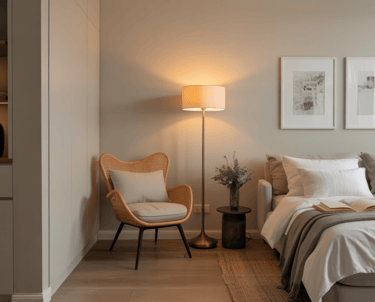
Best Locations for a Reading Nook Inside an ADU
Choosing the right location for a reading nook inside an ADU makes a big difference in how often it’s used. The best spots usually feel slightly tucked away while still staying connected to the rest of the space.
Window corners
Window corners are one of the easiest wins in an ADU. Natural light makes reading more comfortable and instantly lifts the mood of the space.
A simple cushioned bench under the window is often enough. During the day, you won’t need much extra lighting. At night, a small wall light or table lamp keeps the nook usable without taking over the room.
This setup works well in both studio and one-bedroom ADUs.
Loft or mezzanine areas
Lofts naturally feel quiet. The lower ceiling creates a sense of shelter, which is ideal for reading.
These spaces work best with low seating. Floor cushions, a mattress-style bench, or a low chair keep the nook comfortable without fighting the scale of the space. Shelves should stay shallow, and lighting should be soft rather than bright.
The goal here is calm, not productivity.
Bedroom or living room corners
When the layout feels tight, corners inside the bedroom or living area can still work well. You don’t need much. One chair, a small side table, and a focused lamp are often enough to define the nook.
A rug helps signal that this is a separate zone, even if the rest of the room stays open. This option is especially useful for renters or ADUs where built-ins aren’t possible........

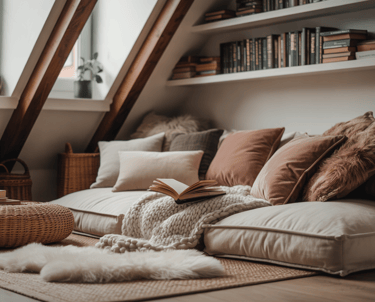
How to Design a Cozy Reading Nook in an ADU
Designing a reading nook in an ADU isn’t about rules or trends. It’s about noticing what helps you relax and building around that. In a small space, comfort shows up in the details.
Seating choices for small spaces
Start with how you like to sit when you read. Some people curl up. Others sit upright. The right seat depends on that habit.
Window benches are a common choice because they save space and often hide storage underneath. Armless chairs fit neatly into corners and don’t block movement. In lofts or low-ceiling areas, floor seating or a low bench usually feels more natural.
What matters most is support. Cushions should feel firm enough to sit on for a while, not something you sink into and want to leave after ten minutes.
Lighting ideas for relaxed reading
Lighting can make or break a reading nook. Natural light works best during the day, but evenings need a softer approach.
Wall-mounted reading lights keep the floor clear and put light exactly where you need it. Warm bulbs are easier on the eyes and help the nook feel calm rather than clinical. Overhead lighting usually feels too harsh for reading and is best left in the background.
Storage for books and small essentials
A reading nook doesn’t need much storage, but it does need some. A few books within reach make the space feel intentional.
Floating shelves work well in ADUs because they don’t add visual weight. Built-in shelves beside a bench keep everything tidy. Baskets under seating are useful for extra books or a throw blanket.
The key is restraint. Too much storage quickly turns the nook into a display instead of a place to read.
Textiles and color choices
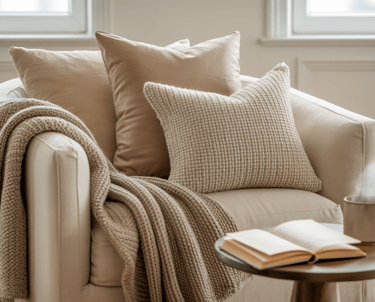
Textiles soften the space fast. Cushions, throws, and a small rug help the nook feel finished without adding bulk.
Neutral colors keep the space calm, especially in smaller ADUs. Muted tones add interest without pulling attention away from the act of reading. Loud patterns and heavy contrasts tend to make small nooks feel busy.
When the textures feel good to the touch, the nook naturally gets used more often.

Space-Saving Furniture for ADU Reading Nooks
In an ADU, furniture has to work harder. Every piece should earn its spot, especially in a reading nook.
The goal isn’t to fill the area. It’s to support comfort without shrinking the rest of the space.
Built-in benches and shelves
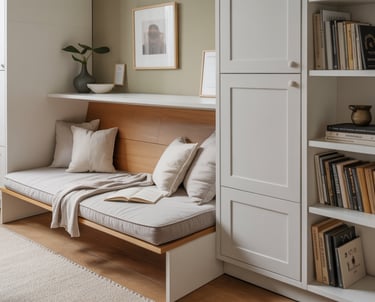
Built-ins are one of the most practical options for ADU reading nooks. A bench along a wall or under a window gives you seating and storage in one move.
Shelves above or beside the bench keep books close without taking up floor space. This setup feels intentional and permanent, which works well if the ADU layout isn’t likely to change.
Fold-away seating options
Fold-away furniture makes sense in multi-use ADUs. Wall-mounted seats or fold-down benches can disappear when they’re not needed.
This keeps the space flexible. During the day, the area stays open. When it’s time to read, the nook appears without rearranging the room.
Multi-use furniture ideas
Furniture that does more than one job is especially valuable in small spaces. An ottoman can store books and act as extra seating. A side table can double as a stool. Even a bed headboard with built-in shelves can create a quiet reading spot.

Styling Ideas for a Warm Reading Nook Look
Styling is what makes a reading nook feel lived in instead of staged. In an ADU, less usually works better than more.
You’re not decorating a showroom. You’re setting up a place you’ll actually sit in.
Minimal and modern styles
Minimal reading nooks focus on restraint. Clean lines. Neutral colors. Only what’s needed.
A single chair or bench, one good reading lamp, and a small stack of books are often enough. This style works well in modern ADUs and studios where visual clutter can make the space feel tight.
If something doesn’t add comfort, it probably doesn’t belong here.
Cozy cottage styles
Cottage-style nooks feel softer and more relaxed. Layered cushions, warm wood, and gentle lighting do most of the work.
Textured fabrics add comfort without feeling busy. The space doesn’t need to match perfectly. A little imperfection makes it feel welcoming rather than designed.
This style fits naturally in backyard cottages or ADUs meant to feel like small homes.
Natural and earthy styles
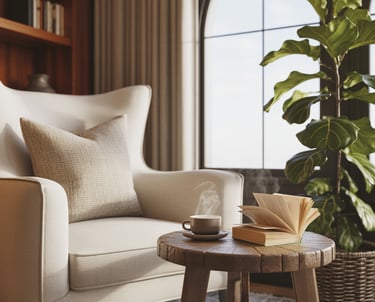
Earthy reading nooks pull from nature. Wood tones, linen fabrics, and a bit of greenery help the space feel grounded.
Soft greens, warm beiges, and light browns keep the nook calm. Even one plant can change how the space feels, especially if the ADU faces a garden or outdoor area.

Budget Tips for Creating a Reading Nook in an ADU
A reading nook doesn’t need a big budget to feel good. Most of the time, it just needs a few thoughtful choices.
Start by looking at what you already own. A chair from another room, a lamp you’re not using, or a shelf you can move often works better than buying something new. In small spaces, familiarity helps the nook feel natural.
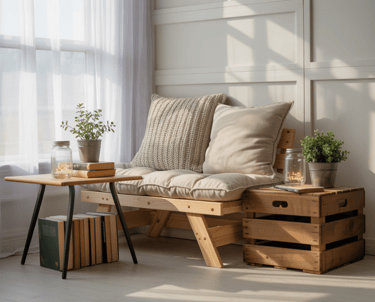
If you’re adding seating, simple DIY benches are one of the most cost-effective options. They can be built to fit your exact space and often include storage underneath. That’s two problems solved at once.
Spend where it matters. Cushions, lighting, and anything you’ll touch daily are worth a little extra care. Stick to neutral colors so the nook stays easy to update later. Even small changes can have a big impact when they’re chosen with intention.

Common Design Mistakes to Avoid
Even a well-intentioned reading nook can miss the mark if a few basics are overlooked. Most mistakes come from trying to do too much in too little space.
Oversized furniture is a common issue. A chair that looks great online can quickly dominate an ADU once it’s inside. If the nook blocks movement or feels awkward to sit in, it won’t get used.
Lighting is another frequent problem. Relying on overhead lights alone usually makes the space feel harsh and uncomfortable for reading. A nook needs its own light source, ideally something soft and focused.
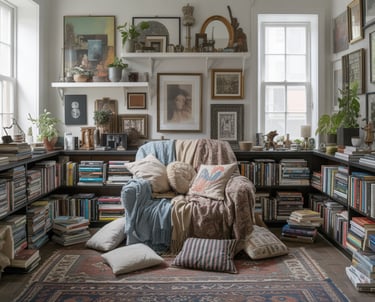
Clutter builds up fast in small spaces. Too many shelves, decor pieces, or patterned textiles can overwhelm the nook and pull attention away from reading. Dark colors can have the same effect if they aren’t balanced with enough light.
Noise is often overlooked too. Placing the nook near a door, kitchen area, or main walkway makes it harder to relax. A reading nook should feel calm, not interrupted.

Bottom Line
A reading nook doesn’t have to be a big design statement to matter. Sometimes it’s just a chair in the right place, good light, and a bit of quiet built into the day. In an ADU, those small decisions carry more weight. When space is limited, creating one spot that feels unrushed can change how the entire home is experienced.
Connect
Join our newsletter for cozy decor tips
Call
hello@girlydecorideas.com
+974 5076-1799
© 2025. All rights reserved.