
Cozy Reading Nook Ideas for Small Spaces
Explore creative reading nook ideas perfect for small spaces, including window seats and corner setups. Discover layout tips, seating comfort solutions, lighting options, and clever storage ideas to maximize your cozy corner.
Fenton jeffer
1/5/202610 min read
Most reading bench nooks are never planned. They start as an empty wall, a quiet window, or a bench that slowly becomes the most used seat in the house. Add a cushion, leave a book nearby, and suddenly that spot feels different. Slower. Calmer. Easier to stay in.
That is the appeal of a reading bench nook. It turns overlooked spaces into places you actually use, not just decorate. In this guide, you’ll find practical reading bench nook ideas, where they work best in a home, and how to design one that feels comfortable, personal, and easy to live with.
Are you ready to discover exciting ideas? Read on.
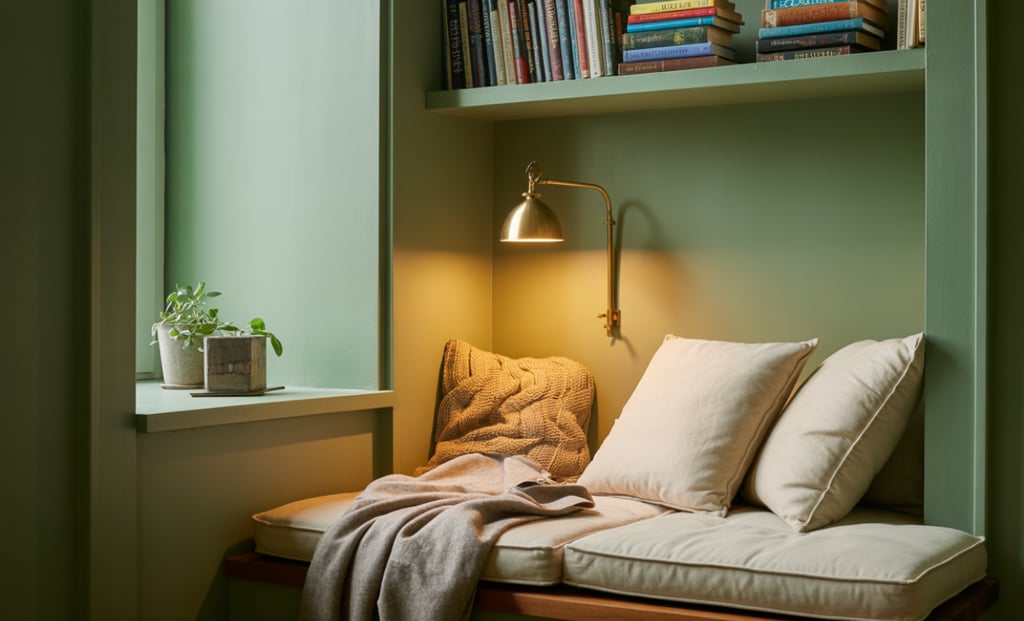
What Is a Reading Bench Nook
A reading bench nook is exactly what it sounds like: a bench set up with the intention of reading. Nothing fancy or overdesigned. It’s usually placed along a wall, under a window, or in a quiet corner, with enough cushioning to sit comfortably and enough space nearby to keep books within reach.
Some homes opt for a built-in reading bench that feels permanent and custom, while others use a freestanding bench that can move as needs change. Both work. What matters more than the setup is how the space gets used. A reading bench nook isn’t about filling a gap in the room. It’s about creating a spot that naturally pulls you in when you want to sit down, slow your thoughts, and read for a while.

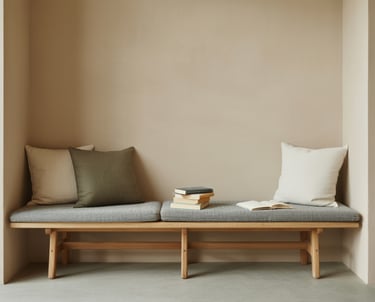
Why Reading Bench Nooks Feel So Inviting
If you’ve ever wondered why certain spots in a home feel easier to relax in, reading bench nooks are a good example. They don’t demand attention. They simply sit there, ready to be used. That quiet presence makes a difference.
A bench feels solid and grounded in a way that loose chairs often don’t. Add cushions and pillows, and it becomes a place you can settle into without thinking about it. When books are already nearby, reading feels like a natural next step, not something you have to plan.
Light plays a role too. A window seat reading nook benefits from daylight, which makes reading more comfortable and keeps the space feeling open. Even nooks without windows feel inviting when they’re slightly tucked away. Corners, walls, and enclosed sides create a sense of separation from the rest of the home, which is often all you need to slow down and focus. That combination of comfort, light, and privacy is what makes a reading bench nook feel genuinely inviting, not staged.
According to research from Pew Research Center, adults who maintain consistent reading habits are more likely to report higher levels of daily relaxation and focus. Creating a dedicated reading space reduces friction and increases the likelihood of regular reading sessions.

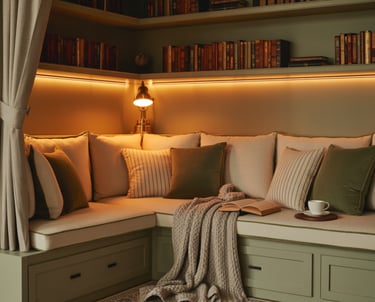
Benefits of a Reading Bench Nook
Still wondering if a reading bench nook is worth the effort? Here’s what it actually adds to a home, beyond how it looks.
It makes reading easier to start
When there’s already a comfortable place waiting for you, reading stops feeling like something you have to plan. You sit down. You open a book. That’s it.It turns unused space into something useful
Window walls, awkward corners, even hallways suddenly have a purpose instead of just taking up room.It adds seating without crowding the room
A bench feels lighter than extra chairs and keeps the layout open, especially in smaller homes.It quietly handles storage
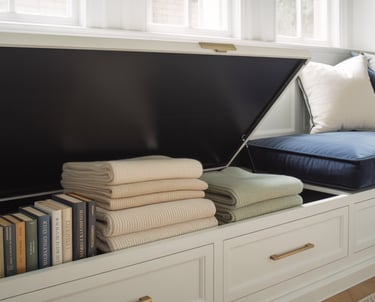
Many reading bench nooks include space under the seat, which is perfect for books, blankets, or anything you want nearby but out of sight.It gives your mind a place to slow down
Having a consistent reading spot helps separate rest from the rest of the day. You’re not scrolling. You’re not multitasking. You’re just there.
It works for everyone in the house
Kids use it for reading or homework. Adults use it to unwind. It adapts without needing to be redesigned.

Best Places for a Reading Bench Nook
One of the reasons reading bench nooks work so well is that they don’t need special rooms or extra square footage. They fit into spaces that already exist; spaces most people walk past every day without thinking twice.
Window areas
Windows are an easy choice for a reading bench nook. The natural light makes reading more comfortable, and the view helps the space feel open instead of boxed in. A window bench reading nook often becomes a favorite spot without much effort.
Bedroom corners
A quiet corner in the bedroom creates a more private reading space. A bench placed along an empty wall or near a wardrobe adds function without changing the feel of the room.
Living room walls
Unused living room walls are perfect for bench seating. A slim bench with cushions adds a reading spot while keeping the layout clean and flexible.
Hallways and landings
Hallways and stair landings are often overlooked, but they work surprisingly well for narrow benches. These areas are usually quieter and ideal for short reading breaks.
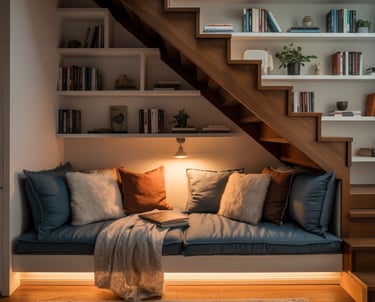
Under-stair spaces
The space under the stairs already feels tucked away. With a bench, soft cushions, and proper lighting, it naturally turns into a cozy reading nook that feels intentional rather than improvised.

Types of Reading Bench Nooks
There’s no single right way to create a reading bench nook. The best option usually depends on how permanent you want the setup to be and how much flexibility you need in your space.
Built-in bench nooks
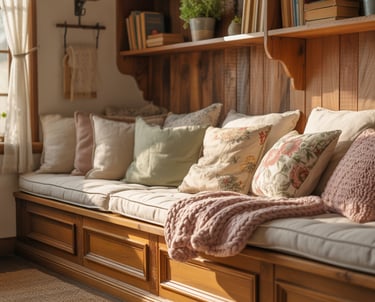
Built-in reading bench nooks feel settled. They’re designed to fit a specific wall or window and often include storage underneath. This option works well if you like a finished, custom look and don’t plan on changing the layout anytime soon.
Freestanding bench setups
Freestanding benches are more relaxed. You can move them, restyle them, or swap them out entirely. They’re a good choice for renters or anyone who prefers not to commit to a permanent build.
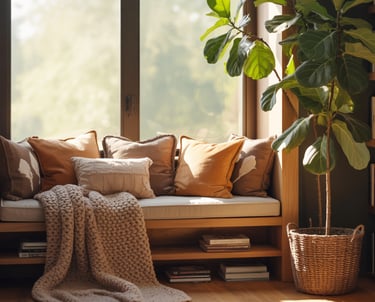
Window seat reading nooks
Window seat nooks combine seating with natural light, which makes them especially comfortable for reading. These spots tend to get used often because they feel bright during the day and cozy once cushions and throws are added.
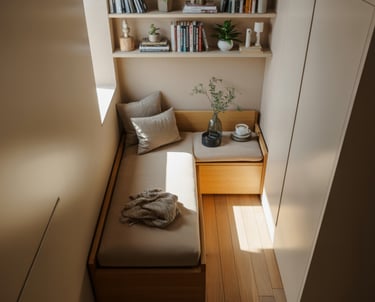
Small-space bench nooks
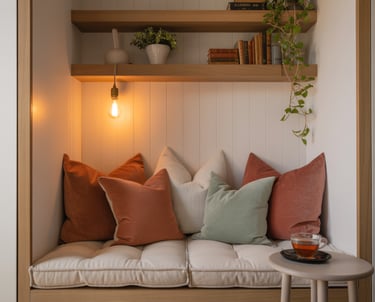
In tighter homes or apartments, slim benches paired with wall shelves work best. These setups focus on function and comfort without taking over the room.
Outdoor reading bench nooks
Covered patios, balconies, or porches can also support reading bench nooks. With weather-safe cushions and simple styling, outdoor bench nooks offer a quiet place to read while enjoying fresh air.

How to Design a Reading Bench Nook
Once you decide where the nook will live, the rest comes down to a few practical choices. Designing a reading bench nook isn’t about following rules. It’s about paying attention to how you like to sit, read, and relax.
Start with the bench itself
The bench should feel easy to sit on, not something you have to adjust to. Pay attention to height and depth so your feet rest comfortably and your back feels supported. Most seating ergonomics recommend a bench height between 16 and 20 inches and a depth between 15 and 18 inches for comfortable upright reading posture. Measurements outside this range often reduce long session comfort.
If it’s awkward to sit down, the nook won’t get used.
Make cushions do the heavy lifting
Cushions are what turn a bench into a reading spot. Medium to thick cushions offer better support for longer reading sessions, and durable fabrics hold up better to everyday use.
Use pillows and throws with intention
A couple of pillows can improve posture and make the space feel softer. A throw adds warmth and gives the nook that lived-in feel that invites you to stay a little longer.
Think about lighting early
Good lighting matters more than decor. A wall sconce, floor lamp, or adjustable reading light keeps the space usable in the evening and helps reduce eye strain.
Keep essentials within reach
A small side table or nearby shelf makes a big difference. When books, glasses, or a cup of tea are close by, the nook feels complete instead of temporary.


Storage Ideas for Reading Bench Nooks
This is where reading bench nooks really earn their keep. Beyond being comfortable, they’re great at quietly handling storage without making the space feel busy.
Use the space under the bench
Under-bench storage is one of the most useful features you can add. Drawers or lift-up seats are ideal for books, blankets, or board games, keeping everything close but out of sight.
Build shelves around the nook
Open shelving adds both function and character. You can use rustic wood shelving to keep books accessible while adding warmth to the room.
Shelves placed above or beside the bench help frame the space and make it feel intentional. They’re also a simple way to keep favorite reads within reach without piling them on the seat.
Add wall-mounted book ledges
Book ledges are especially helpful in smaller homes. They take up very little space and let you display books in a way that feels casual rather than cluttered.
Use baskets for flexible storage
Baskets are an easy, low-commitment option. They add warmth and texture while giving you a place to tuck away loose items when the nook gets busy.


Styling a Reading Bench Nook for a Cozy Look
Once the bench and storage are sorted, styling is what makes the nook feel like yours. This part is less about rules and more about paying attention to what makes you want to sit down and stay.
Stick to calming colors
Soft neutrals, warm tones, and muted shades work especially well in reading spaces. They keep the nook easy on the eyes and help it feel relaxed rather than busy.
Layer textures instead of decor
Adding a soft rug beneath the bench improves comfort and defines the space. These pastel rugs for bedroom spaces help maintain a calm and cohesive look.
Coziness usually comes from texture, not accessories. Cushions, throws, and upholstered seating add comfort without overwhelming the space.
Keep wall decor simple
A single piece of art, a framed quote, or a photo is often enough. Too much on the wall can distract from the calm feeling a reading nook should have.
Bring in a touch of greenery
Plants soften the space and make it feel more lived-in. Even a small potted plant or a trailing vine can add warmth without taking up much room.

Reading Bench Nook Ideas by Home Style
A reading bench nook feels most natural when it reflects the style of the home it sits in. You don’t need to force a look. The existing space usually gives you enough cues to work with.
Modern interiors
Modern spaces tend to suit clean lines and simple finishes. A streamlined bench, neutral cushions, and minimal styling keep the nook feeling calm and intentional.
Cozy cottage spaces
Cottage-style homes invite softness. Wooden benches, layered cushions, and warm textures create a relaxed reading spot that feels welcoming and lived in.
Boho-inspired rooms
Boho reading bench nooks are more relaxed and personal. Mixing patterns, textures, and plants gives the space character without making it feel overstyled.
For a full layered aesthetic, review these bohemian living room design ideas to see how textures and plants support relaxed spaces.
Minimal spaces
In minimal homes, less really is more. A simple bench, one or two cushions, and good lighting are often all that’s needed. The focus stays on function.
Family-friendly homes
In busy households, durability matters. Easy-to-clean fabrics, flexible seating, and extra storage help the reading bench nook work for everyone, not just one person.

Common Mistakes to Avoid
Even well-intended reading bench nooks can end up unused if a few details are overlooked. Most issues come down to comfort and practicality.
Putting comfort last
A bench that looks good but feels awkward to sit on won’t get much use. Cushion thickness and seat height matter more than style.Not planning for proper lighting
Reading needs focused light. Without it, the nook becomes decorative instead of functional, especially in the evening.Adding too much decor
Too many pillows, accessories, or wall pieces can make the space feel cluttered rather than cozy.Skipping storage entirely
Without a place for books or blankets, clutter builds up fast. Even simple hidden storage makes a difference.Designing for looks instead of habits
A nook should fit how you actually live. If it’s hard to sit down or inconvenient to use, it won’t become part of your routine.


Reading Bench Nooks for Small Homes and Apartments
Reading bench nooks make a lot of sense in small homes and apartments because they don’t require extra square footage.
Slim benches fit neatly under windows or along walls without overwhelming the room. Vertical storage, like wall shelves or book ledges, helps keep books accessible while freeing up floor space.
Data from U.S. Census Bureau shows that average apartment sizes have decreased in many urban areas over the past decade. Multi functional furniture, including bench seating with storage, addresses this space constraint without increasing square footage.
Window seat reading nooks are especially effective in compact layouts because they use natural light without adding bulk. Foldable or freestanding benches also work well if flexibility is important.
In smaller spaces, a reading bench nook is less about size and more about intention. Even a narrow corner can become a comfortable reading spot with the right setup.

Bottom Line
If you’ve read this far, congratulations. That already tells us you’re serious about creating a reading space that feels comfortable, intentional, and personal. A reading bench nook doesn’t need to be large or expensive to work. With the right bench, thoughtful cushions, and smart placement, even a small corner can become a place you genuinely enjoy using.
If you’re ready to bring your reading bench nook to life, start exploring furniture options that fit your space and style, and take the first step toward creating a spot that invites you to sit down, slow down, and read.
Connect
Join our newsletter for cozy decor tips
Call
hello@girlydecorideas.com
+974 5076-1799
© 2025. All rights reserved.